
REVIEW · SAN FRANCISCO
The Escape Game San Francisco in Fisherman’s Wharf
Book on Viator →Operated by The Escape Game San Francisco (The Wharf) · Bookable on Viator
A mission in a locked room is way more fun than it sounds. The Escape Game San Francisco at Fisherman’s Wharf turns that idea into a guided puzzle adventure with five themed games and a real sense of forward momentum. I like how it feels like you’re in a story, not just “finding keys,” and the staff knows how to keep things rolling without taking over.
Two things I really appreciate: the 60-minute challenge window (it’s intense, but not exhausting), and the game guide support when you genuinely hit a wall. In the game room, guides like Gordon and Aiden are the kind of people who help you keep going instead of shutting you down.
One thing to plan for: your game can be shared with other players unless you book all spots in that specific game, and some missions may be a tough fit for younger teens. If you’re traveling with kids, the age rules matter.
In This Review
- Quick hits: what makes this escape game work
- Fisherman’s Wharf starting point: quick, easy, and very “SF”
- Pick your mission: 5 themes, one locked-door format
- The Depths
- Special Ops: Mysterious Market
- Gold Rush
- Prison Break: Alcatraz
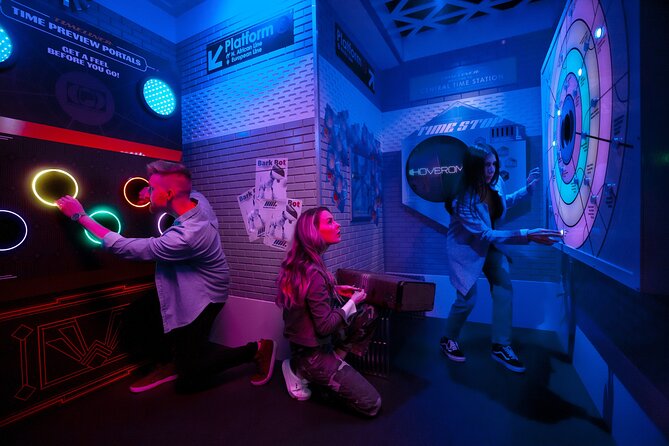
- Timeliner: Train Through Time
- The pacing: 15 minutes to prep, 60 minutes to escape, then wrap-up
- How the guide works: you’re in charge, they help you think
- What you won’t get: no horror movie, no dark scare tactics
- You can leave if you need to
- Groups, sharing, and why that affects your cost-to-fun ratio
- Age fit and family logic: planning rules that actually matter
- Best for: where this escape game shines
- Possible drawbacks to know before you go
- Should you book The Escape Game at Fisherman’s Wharf?
- FAQ
- FAQ
- How long is The Escape Game San Francisco (Fisherman’s Wharf)?
- What does the ticket include?
- Where do I meet for the game?
- What games can I choose from?
- Is the game in English?
- How does the 60-minute mission work?
- Can I leave the room during the game?
- What age is recommended for the games?
- Is the experience shared with other groups?
- What about cancellation?
Quick hits: what makes this escape game work

- 5 mission choices: The Depths, Special Ops: Mysterious Market, Gold Rush, Prison Break: Alcatraz, Timeliner
- Built-in timing with a 60-minute run plus pre-brief and post-debrief
- Friendly, active guidance from the game host, not just a passive hint system
- Not scary or dark: it’s adventure-bright, not horror-mode
- Small group size (maximum 8 travelers), with possible sharing if spots aren’t all booked
Fisherman’s Wharf starting point: quick, easy, and very “SF”
The Escape Game San Francisco meets at 145 Jefferson St Suite 500 near Fisherman’s Wharf, which is helpful because you can pair it with normal Wharf wandering. You’re not spending half your day getting there, and the “come on in” vibe fits the tourist energy of the area without blending into it.
When you arrive, you’ll check in and then get pulled into your mission. This isn’t one of those activities where you linger in a lobby for long periods. The format is designed to get you moving fast, which matters because the fun depends on momentum.
Also, they use mobile tickets, so you don’t have to print anything. That sounds minor, but on a trip it saves time and keeps your day from turning into a gadget scavenger hunt.
You can also read our reviews of more tours and experiences in San Francisco.



Pick your mission: 5 themes, one locked-door format
You’ll choose from five uniquely immersive games, and your choice changes the whole vibe. Here’s how to think about each one:
The Depths
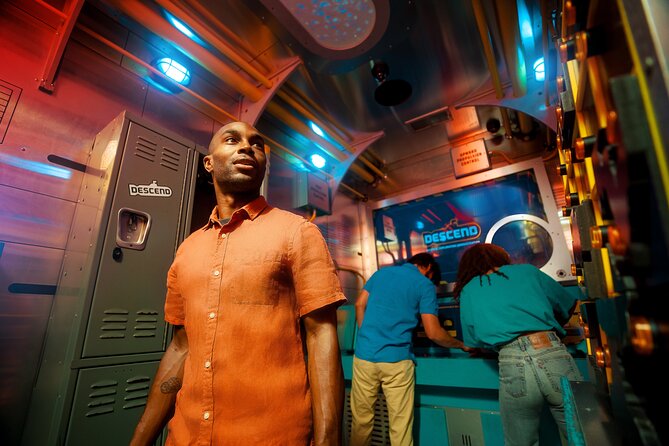
If you like science-y mystery and a “figure out what happened” feeling, The Depths is a strong pick. It’s described as uncovering the lab’s secrets, which usually translates to puzzles that reward observation and logic.
Special Ops: Mysterious Market
This one leans toward investigation. “Uncover the truth” usually means you’ll piece together information and use teamwork to connect dots. It’s a good option when your group likes talking things through rather than just solving mechanical-style puzzles.
Gold Rush
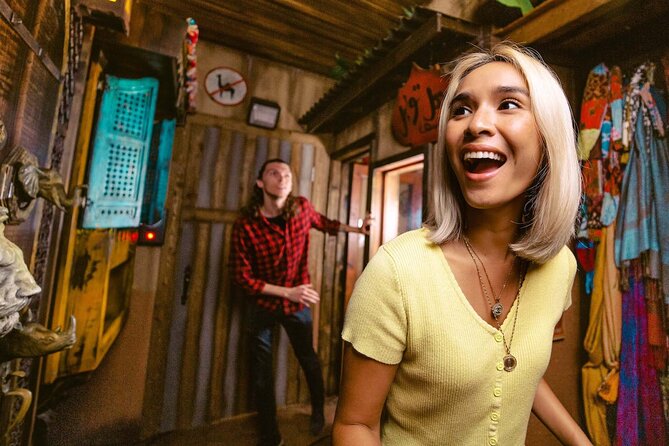
If your group enjoys hidden clues and “follow the leads” energy, Gold Rush fits the bill. It’s set around finding hidden gold in the California hills, so expect a theme that feels like exploration.


Prison Break: Alcatraz
This is the one many people bring up first for sheer fun. The premise is a daring escape from Alcatraz Prison, and the mission theme is clearly a crowd-pleaser. In the real-world examples I saw, people specifically called out how engaging it felt and gave praise to hosts like Aiden and Aaron.
Timeliner: Train Through Time
Timeliner sounds playful and different, like it’s trying to give you the feeling of a high-concept adventure. One of the big wins here is that it feels unique even if you’ve done other escape rooms before.
Tip: If you’re deciding between two, go with the theme that matches the group’s energy. People who enjoy history-flavored fun tend to love Prison Break: Alcatraz. People who like unusual concepts often choose Timeliner.
The pacing: 15 minutes to prep, 60 minutes to escape, then wrap-up
The experience is built around a tight cycle. You should plan for about 1 hour 15 minutes total.
What that actually means inside the game:
- About 15 minutes before your mission to prepare and get briefed
- 60 minutes in the adventure to solve clues and complete the mission
- About 15 minutes after for debriefing and photos
That rhythm is smart. The briefing time helps you get oriented so you’re not spending your “escape clock” trying to understand how the room works. And the debrief matters more than people think. It’s where you often understand what you missed and why a clue mattered.
How the guide works: you’re in charge, they help you think

Your team works together to find clues and solve puzzles. The important part is that the guide supports you when needed, rather than running your game for you.
In the reviews and examples I gathered while writing this, names came up again and again, which is a good sign for consistency. Hosts like Gordon and Xadria were praised for guiding players through without turning it into a lecture. Jas was mentioned for helping decide which room fit best, which is useful if you’re unsure which mission to pick.
Here’s what that likely means for you in practice:
- You’ll get enough help to keep the game moving
- You can ask questions when you truly need a nudge
- But the team still does the solving
If your group has never done an escape room before, this setup is reassuring. You’re not expected to already know the “escape room language.” The guide makes the process make sense quickly.
What you won’t get: no horror movie, no dark scare tactics

This is one of the refreshing parts of The Escape Game. It’s not scary and it’s not dark in the way some escape rooms go for spooky atmosphere. Instead, it’s described as exciting, adventurous, and designed so most people can enjoy it.
That changes who it’s for. If you’re bringing teens or mixed-age family groups and you’re worried about fear factor, this is a safer bet. It’s also easier on people who don’t love the claustrophobic “panic” style of some themed attractions.
You can leave if you need to
You’ll be in a room with a locked door, but every door includes an exit button. If you need to step out, you can do so any time. That detail is practical and comforting, especially if someone in your group needs a break.
Groups, sharing, and why that affects your cost-to-fun ratio

Price is listed at $45.99 per person, and duration is about 1 hour 15 minutes. On paper, that’s not cheap. In real value terms, though, you’re paying for an interactive puzzle experience with staff guidance and a structured time box.
There’s also one key detail that affects the “feel” of your group experience: unless you book all the spots in a game, your mission has the potential to be shared with other players. That can be a plus or a minus.
- It can add energy if you’re the social type
- It can feel awkward if you’re hoping for a private family bubble or work-team bonding moment
The group is capped at maximum 8 travelers, which usually keeps things from feeling overcrowded inside the room.
Age fit and family logic: planning rules that actually matter
The games are recommended for ages 13 and up, but younger players can join. The content may be difficult for them, so expect that younger kids might need more hands-on adult support.
Two age-related rules you should not ignore:
- An adult 18+ must participate with anyone 14 and under
- Anyone under 18 needs an adult to sign their waiver
If you’re thinking about a family outing, this makes it easier to plan, because you know exactly what adults must be present. It also explains why many of these experiences work best with at least one adult who can help steer the team during puzzles.
Service animals are allowed, which is always a key practical note for real travel planning.
Best for: where this escape game shines

This is a great pick when your group wants a shared activity that doesn’t rely on good weather, long walking, or finding a reservation. The mission format also makes it easy for mixed abilities, because you can split into roles: clue spotting, reading details, trying logic steps, and coordinating what to test next.
From the kinds of experiences people brought up while talking about this place, it’s especially strong for:
- Families (including milestone birthdays, like a 10th birthday where the group escaped Alcatraz)
- Parent-child pairings, like one mother and child team that had a blast
- Groups that like interaction, including work groups
Also, if you’re traveling with someone who’s done puzzles before, this gives them a chance to shine. And if you’re the puzzle-curious beginner, it gives you a clear structure and guide support so you’re not stuck from minute one.
Possible drawbacks to know before you go
No activity is perfect, so here are the realistic considerations:
- Sharing can happen: unless you book all spots for your chosen game, your room may include other players.
- Younger players may struggle: even with participation allowed, the puzzles can be difficult for kids, and an adult may need to guide more than you expect.
- You’re paying for time: $45.99 per person is a “you’re buying an experience” cost, not a low-cost activity. If your group hates structured timed challenges, this may feel stressful.
One more practical note: because the room is locked while you play, you’ll want to agree on who might be responsible for breaks and who’s staying focused. The exit button exists, but you’ll want to use it intentionally so the game flow doesn’t unravel.
Should you book The Escape Game at Fisherman’s Wharf?
If you’re visiting San Francisco and you want a genuinely interactive activity that’s easy to fit into an itinerary, I’d book it. The biggest reason is the combination of guided teamwork plus five different missions, which means you can pick a theme that actually matches your group.
I’d skip it only if:
- You’re hoping for a purely passive attraction
- Your group wants something without a time crunch
- You’re traveling with younger kids who might need constant adult help and you don’t have that adult coverage
If your group enjoys puzzles, communication, and that satisfying moment when things click, you’ll likely find this a fun, high-energy break from the usual sightseeing rhythm.
FAQ
FAQ
How long is The Escape Game San Francisco (Fisherman’s Wharf)?
The experience is about 1 hour 15 minutes total, including time to prepare and brief before the mission and time to debrief and take photos afterward.
What does the ticket include?
Your ticket includes admission to play one adventure.
Where do I meet for the game?
The meeting point is The Escape Game San Francisco (Fisherman’s Wharf), 145 Jefferson St Suite 500, San Francisco, CA 94133, USA. The activity ends back at the meeting point.
What games can I choose from?
You can choose from five games: The Depths, Special Ops: Mysterious Market, Gold Rush, Prison Break: Alcatraz, and Timeliner: Train Through Time.
Is the game in English?
Yes. The experience is offered in English.
How does the 60-minute mission work?
After the briefing, you have exactly 60 minutes to work with your team to find clues, solve puzzles, and complete the mission.
Can I leave the room during the game?
Yes. You’ll be in a room with a locked door, but there is an exit button on each door, and you can leave at any time if needed.
What age is recommended for the games?
Games are recommended for ages 13 and up. Younger players are allowed, but some game content may be too difficult for them. An adult 18 or older must participate with anyone 14 and under, and participants under 18 need an adult to sign their waiver.
Is the experience shared with other groups?
It can be. Unless you book all the spots in a game, the experience has the potential to be shared with other players joining your team.
What about cancellation?
You can cancel for free up to 24 hours in advance for a full refund. If you cancel less than 24 hours before the start time, the amount paid is not refunded.