REVIEW · SAN DIEGO
The Escape Game at Westfield UTC in San Diego
Book on Viator →Operated by The Escape Game San Diego - University Town Center · Bookable on Viator
San Diego has a fun side beyond beaches. At The Escape Game San Diego (Westfield UTC), you get a 60-minute team mission with six game themes to pick from, plus a guide who keeps things moving. It’s built around cooperation and problem-solving, not speedrunning or solo heroics.
I like how structured it feels once you’re inside: your team gets a briefing, you work clues into puzzles, and you’re never totally left on your own. I also like the human touch—staff like Phillip and Ayden are praised for stepping in with help, and the experience can feel extra special when someone’s celebrating (one birthday ticket was even comped). The one drawback to consider is space: if you roll in with a larger crew, it may feel a bit cramped, so you’ll want good team communication.
In This Review
- Key Highlights to Know Before You Go
- The 60-Minute Mission at Westfield UTC: How the Time Pressure Works
- Choosing Your Game: Prison Break, Heist, Playground, Timeliner, Cosmic Crisis, Ruins
- Prison Break
- The Heist
- Playground
- Timeliner: Train Through Time
- Cosmic Crisis: Destroy the Black Hole
- Ruins: Forbidden Treasure
- Entering the Experience: Meeting, Briefing, and Getting Set Up
- Inside the Room: Clues, Puzzle Flow, and Team Communication
- Price and Value: Is $45.99 Worth It?
- Group Size and Room Comfort: Up to 12 People
- Who This Fits Best (and Who Might Want to Skip It)
- Before You Go: Tickets, Timing, and What to Bring
- Should You Book The Escape Game at Westfield UTC?
- FAQ
- How long does the escape game last?
- What games can you choose from?
- Where is the meeting point?
- What is the price per person?
- Is there a mobile ticket?
- How many people is the maximum for a game?
- Are service animals allowed?
- What is the cancellation policy?
Key Highlights to Know Before You Go

- Six themed missions (Prison Break, The Heist, Playground, Timeliner, Cosmic Crisis, Ruins) so you can match the vibe to your group
- A dedicated game guide who supports you during the 60-minute challenge
- Mobile tickets for quick check-in, saving you time when you’re already out exploring
- Real time pressure with a mission window that pushes teamwork to the front
- Helpful, friendly staff called out by name, including Phillip and Ayden
- Up to 12 players max, which keeps groups small enough to stay engaged
The 60-Minute Mission at Westfield UTC: How the Time Pressure Works
The Escape Game at Westfield UTC is centered on one big idea: you have to solve together before the clock runs out. Your experience runs about 1 hour 15 minutes total, but the actual mission time is 60 minutes. That structure matters because it keeps the pressure realistic—you’re not just “in a room,” you’re racing a deadline with a goal.
When you arrive, you’re met by staff and brought into the experience with clear instructions. Then the game begins, and the mission is designed so that no single clue solves everything. You’ll need to spread tasks across your team—one person looking for clues, another testing puzzle ideas, and others cross-checking what you’ve learned. If your group naturally talks and collaborates, you’ll feel right at home.
The good part of this setup is that it prevents the usual escape-room problem where everyone waits for one person who’s better at puzzles. The time limit creates urgency, but the guide system helps you avoid the frustrating moment where you’re stuck with no idea what the designer intended.
And yes, you’ll probably feel the clock. That’s part of the fun. When you’re moving from clue to clue and realizing your strategy is actually working, it becomes a group win, not just a solo achievement.
You can also read our reviews of more tours and experiences in San Diego.



Choosing Your Game: Prison Break, Heist, Playground, Timeliner, Cosmic Crisis, Ruins

You get to pick from six uniquely themed games, and this is where you can make the experience match your group. Each theme has its own storyline, but the core mechanics stay consistent: find clues, solve puzzles, and finish the mission before time runs out.
Here’s how to think about the themes in practical terms:
Prison Break
If your group likes action energy and a strong narrative, Prison Break is the one to choose. The story is built around escaping, which naturally pushes teams to communicate fast and stay focused on the objective.
The Heist
The Heist leans into clever problem-solving. It’s a great option if your team tends to enjoy puzzles that feel like they have logical steps. It also seems to reward careful teamwork: one group finished The Heist with 27:50 to spare, and they credited thoughtful help from their guide.
Playground
Playground is a different flavor—more playful, more kid-friendly in theme, and a fun choice for families or mixed-age groups. If you want an experience that feels a little lighter while still being challenging, this is a strong pick.
Timeliner: Train Through Time
This is for teams who like the idea of puzzles tied to time or sequences. If your group enjoys patterns and order-based thinking, Timeliner usually lands well.
Cosmic Crisis: Destroy the Black Hole
Cosmic Crisis is described as extremely challenging in a good way. If you like puzzles that make you think hard and feel proud of figuring things out, this theme is worth it. It’s also the one where staff friendliness got a specific shout-out for making a birthday feel extra fun.
Ruins: Forbidden Treasure
Ruins focuses on treasure-hunting vibes. It’s a smart choice if your group wants that satisfying feeling of uncovering steps and piecing together what’s going on.
A simple tip: if you’re booking for a group with mixed strengths, don’t overthink the theme. Pick based on what your group will enjoy discussing together. The mission still depends on teamwork more than any single puzzle style.
Entering the Experience: Meeting, Briefing, and Getting Set Up
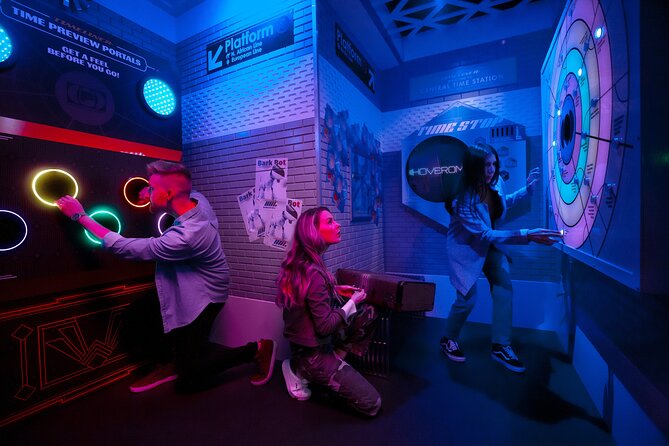
The meeting point is at 4373 La Jolla Village Dr, San Diego, CA 92122, inside Westfield UTC. You’ll start and end back at this location, so it’s easy to slot into a day out in University City without worrying about transportation after.
After check-in, you’ll meet your guide. The guide’s role matters here. This isn’t a “figure it out alone” experience. You’ll get help when you need it, and the guide is there to keep you moving so you can spend your time solving rather than guessing what the game wants.
One of the most useful things you’ll experience is the shift from waiting to doing. Once you’re inside, the briefing sets expectations: you’ll work as a team, you’ll solve puzzles, and you’ll aim to escape within the 60-minute window. Staff members like Paloma and Clare have been specifically praised for being super helpful, which suggests the experience style is supportive rather than punitive.
If you like clear rules, you’ll probably appreciate this. If your group tends to overcomplicate puzzles, remember the guide can help you get back to what the game is looking for. Use that help early rather than burning time on one wrong idea.
Inside the Room: Clues, Puzzle Flow, and Team Communication
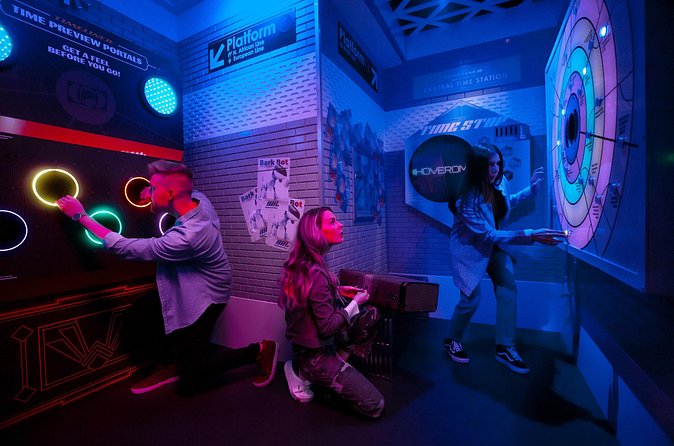
Escape rooms succeed or fail based on how the puzzles guide your thinking. Here, the mission is built around clue discovery and puzzle solving as a team activity. That means your best strategy is less about one clever person and more about how your group communicates.
I recommend you start with roles. Even informally:
- One person calls out what they see
- Another tries puzzle solutions
- Others keep track of what has already been tried
This matters because escape-room puzzles often involve repeated actions: you test something, it doesn’t work, and then later the same element makes sense in a new context. If your team remembers the last few attempts, you cut down wasted time.
You’ll also find that the group energy shifts during the game. One Playground group was described as loud at first, then getting quiet for concentration—basically the team doing what you’d do during a real challenge: talk fast, then focus when it counts. That’s a good sign. It means you’re using the team’s brain power correctly.
As for help, this is where the staff shine. Guides like Phillip and Ayden are praised for stepping in and assisting when needed. If you’re worried about getting stuck, don’t be. You’re not expected to grind for the entire hour without support. The key is to ask for help efficiently—don’t ask general questions; ask where to look next or what kind of clue you should be thinking about.
Finally, you escape as a team. That’s the heart of why this style of activity works. Even when a puzzle feels personal, the solution still lands because multiple people contribute.
Price and Value: Is $45.99 Worth It?
At $45.99 per person, this isn’t the cheapest thing you’ll do in San Diego—but it can be good value if you treat it like an experience, not a casual add-on.
Here’s why the price can feel fair:
- You get about 1 hour 15 minutes of structured entertainment, including the guide experience
- The mission is team-based, so you’re buying a shared activity that sparks conversation and laughs
- The 60-minute time limit makes it feel like a real challenge rather than a slow wander
The biggest value factor is your group. If you go with people who want to solve problems together, you’ll likely enjoy it more than if you prefer quiet sightseeing. Escape rooms are basically “group thinking games.”
Also, the staff seems to handle special moments thoughtfully. One Cosmis Crisis booking noted that a birthday ticket was comped. I can’t promise that will happen for you, but it does suggest the team knows how to make the experience land well for celebrations.
If you’re trying to budget, consider the math like this: you’re paying for a guaranteed activity duration and a guided, puzzle-based payoff. For many groups, that predictability is part of the value.
Group Size and Room Comfort: Up to 12 People

The experience has a maximum of 12 travelers. That cap is important because it affects how workable your team size feels inside the space.
One group described Cosmic Crisis as a bit cramped with seven people, yet they still escaped with time left. Cramped doesn’t mean ruined. It means you should plan for close quarters and keep communication tight.
If you’re going with a bigger team, you’ll want to set expectations:
- You may have to take turns checking items
- You’ll likely talk in bursts, then get quiet to solve
- Everyone should stay engaged rather than letting two people do all the work
In practice, the best group size for an escape room is usually the one where everyone can participate without stepping on each other. With this format, I’d aim for enough people to cover different puzzle tasks, but not so many that you’re all crowded around the same clue board.
Who This Fits Best (and Who Might Want to Skip It)

This escape game fits best when your group enjoys teamwork and likes the challenge of figuring things out. You don’t need to be a puzzle expert. What helps most is a willingness to try, talk, and iterate.
It’s also a good fit if you’re planning a family or mixed-age outing. Playground is one of the themes that signals a friendlier tone, and the staff is described as kind and supportive. Service animals are allowed, and the experience says most travelers can participate, which is helpful for planning.
You might want to think twice if your group prefers low-interaction activities or if you’re traveling with people who dislike time pressure. The 60-minute clock is real, and the game rewards active cooperation.
If you want an escape-room experience that feels more like a guided adventure than a silent test, this is a strong choice based on how people describe the staff support.
Before You Go: Tickets, Timing, and What to Bring

Booking patterns suggest this is popular. On average, it’s booked about 8 days in advance, so I’d plan to reserve ahead, especially if you’re traveling on a weekend or during busy periods.
You’ll receive a mobile ticket, which is convenient when you’re moving around San Diego. That also means less paperwork and less to print.
As for what to bring: the basics. Wear comfortable clothes you can move in, and keep your phone use minimal once you start the mission. The room experience works best when your team is fully in the game.
If you’re the kind of person who likes to go in calm, here’s a small mindset tip: treat the first few minutes as your team setup phase. The best groups don’t rush to random solutions—they orient quickly and then start building a plan.
Should You Book The Escape Game at Westfield UTC?
Book it if your group wants a real, time-limited team challenge with supportive staff and multiple theme choices. At $45.99 per person, it’s a solid value when you’ll actually collaborate, ask for help when you need it, and enjoy puzzle problem-solving together.
I’d skip it if your group hates time pressure, doesn’t want to talk and work as a team, or you’re set on a more laid-back outing. Also, if you’re bringing a big crew, expect some crowding—plan roles so everyone can participate.
FAQ
How long does the escape game last?
The experience is about 1 hour 15 minutes total, and the mission time is 60 minutes.
What games can you choose from?
You can choose from six game themes: Prison Break, The Heist, Playground, Timeliner: Train Through Time, Cosmic Crisis, and Ruins: Forbidden Treasure.
Where is the meeting point?
The activity starts at The Escape Game San Diego (Westfield UTC), 4373 La Jolla Village Dr, San Diego, CA 92122, USA, and ends back at the same meeting point.
What is the price per person?
The price is $45.99 per person.
Is there a mobile ticket?
Yes, you’ll have a mobile ticket.
How many people is the maximum for a game?
There is a maximum of 12 travelers.
Are service animals allowed?
Yes, service animals are allowed.
What is the cancellation policy?
Free cancellation is available up to 24 hours in advance of the experience start time for a full refund.