
REVIEW · WHISTLER
Epic Escape Room Adventure
Book on Viator →Operated by Escape! Whistler · Bookable on Viator
Puzzles have a way of cutting through travel stress. In Whistler, this private escape room set-up turns a simple hour into a tight team challenge with clever obstacles and puzzles. I love the well-made rooms and the way they force real group problem-solving, not just guessing. One caution: it can feel tough for younger kids, and clue delivery over a walkie-talkie can be harder to follow if you’re not used to the accent.
The game runs about an hour, and it starts and ends right at 4293 Mountain Square #122 in central Whistler. You’ll use a mobile ticket, and you’ll be grouped only with your party, which keeps the experience focused and personal. If your crew is good at talking things out and staying calm under pressure, this is a fun fit.
You should also know the pace is not slow. You’ll be thinking, moving, and decoding throughout, so plan on bringing people who enjoy puzzles and teamwork more than people who want a laid-back stroll.
In This Review
- Key Things to Know Before You Go
- Whistler’s Escape Room Base at Mountain Square
- What Actually Happens During the 60-Minute Adventure
- Puzzles That Reward Team Synergy, Not Random Guessing
- Clues, Walkie-Talkies, and How to Avoid Frustration
- Kid-Friendly, But With Real Expectations for Ages
- Price and Value: Is $36.67 Worth One Hour?
- Best Match: Who This Escape Room Fits Perfectly
- Should You Book Escape! Whistler?
- FAQ
- Where is the meeting point for Epic Escape Room Adventure?
- How long does the escape room experience last?
- How much does it cost per person?
- Is this activity private or shared?
- Do I need to bring a ticket, or is it mobile?
- When will I receive confirmation after booking?
- What is the cancellation policy for a full refund?
- Are service animals allowed?
- Is the meeting point near public transportation?
- How far in advance is this typically booked?
Key Things to Know Before You Go
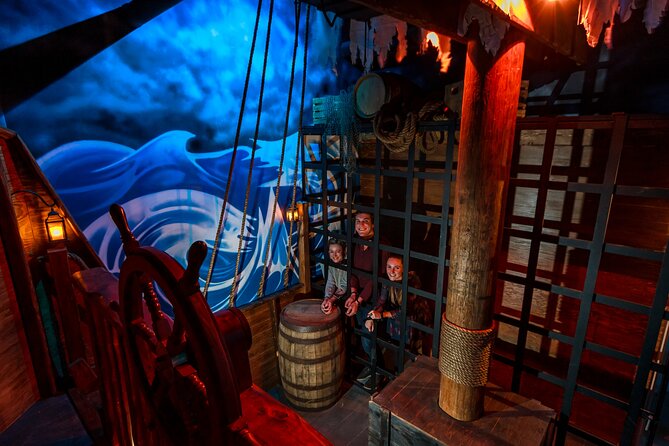
- Private means it stays focused: it’s only your group inside the experience.
- One hour is a real sprint: expect momentum, not a slow walkthrough.
- You need group synergy: puzzles work best when everyone contributes.
- Clues may come over walkie-talkie: communication clarity matters.
- First-timers may want a beginner option: start easier if that’s offered for your group.
- Older kids and adults tend to handle it better: younger kids may need extra clue requests.
Whistler’s Escape Room Base at Mountain Square
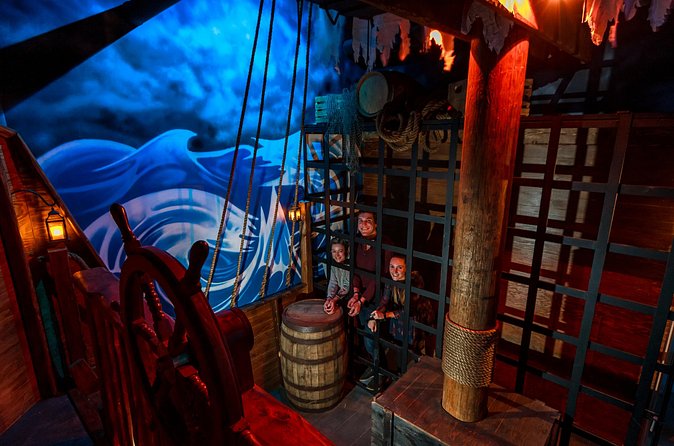
This experience meets at 4293 Mountain Square #122, right in central Whistler. The location matters because you can treat it like a real evening plan: arrive, do your one-hour mission, and be back where you started without hunting across town.
At this point, you’ll get oriented and ready to play. The set-up is simple and tourist-friendly: you’re not dealing with complicated gear or a long pre-activity lecture. You’ll bring your mobile ticket, and that’s your main entry key. If you like easy check-in, you’re in the right place.
Also, because it’s near public transportation, you can skip the car headache if you’re already exploring Whistler that day.
What Actually Happens During the 60-Minute Adventure
The core promise here is teamwork plus strategy. Your group gets challenges and puzzles that you have to solve together. That’s the whole engine. You’re not just solving one riddle at a time; you’re coordinating ideas and checking possibilities as you go.
Here’s how the flow typically feels for this kind of escape room experience:
- You start with a briefing: you’ll be told the rules and how to interact with the game.
- Then you move straight into puzzles: you’ll scan, test, combine clues, and look for patterns.
- When you’re stuck, you request clues: staff help keep you moving when your group hits a wall.
- You finish when your group completes the challenge: the hour tightens as you near the end.
One detail that can shape your experience: in some cases, clue requests are handled through a walkie-talkie. If your group struggles with accents or audio clarity, it can slow down decision-making. The upside is that the staff are there to guide you when needed, so you’re not left spinning.
Expect movement. Even if puzzles are mostly “look and think,” you’ll still be physically scanning, comparing, and regrouping. Plan for that. This is an hour of focus, not a sit-down activity.
Puzzles That Reward Team Synergy, Not Random Guessing
I like escape rooms where everyone has a job. This one works best when you treat the group like a mini team in a crisis. Some people spot details faster. Others think in sequences. Others are good at trying one approach, then correcting fast when it doesn’t work.
That teamwork angle is the heart of the experience. The challenges are designed so your group can’t rely on one “main solver.” You’ll be solving as a unit: someone finds something small, someone else connects it to a puzzle idea, and you all agree on the next move.
Here’s practical advice that helps immediately:
- Split roles early: one person searches, one person reads/records what’s found, and one person tries to reason through the logic.
- Say your hunches out loud: even if you’re unsure, share it. In team puzzles, a wrong guess is still useful if it helps narrow the options.
- Keep one person from getting stuck: if one brain freezes, rotate. Momentum matters.
If your crew tends to talk a lot, this is a dream scenario. If your crew is quiet, encourage short updates anyway. You’re racing the clock, and puzzles reward active communication.
Clues, Walkie-Talkies, and How to Avoid Frustration
One of the most useful bits of real-world feedback for this experience: clue delivery can be tricky over a walkie-talkie, especially if the accent is strong. That doesn’t mean the staff aren’t good. In fact, the staff can be excellent. It just means you should be ready for a small communication challenge.
Here are ways to make that smoother:
- Ask for clarification fast: if you don’t understand a clue, ask again instead of guessing.
- Have one “listener”: choose one person to listen and repeat the clue to the rest. It reduces misunderstandings.
- Write things down (if allowed): if you can’t retain details, capture them. Puzzles often hinge on one tiny instruction.
- Repeat the goal: every time you get a clue, confirm what you’re trying to unlock next.
Also, don’t wait too long to ask. In a timed puzzle, the best move is often getting one helpful push that keeps your group exploring the right direction. If your team is stubborn when stuck, the clock will beat you.
Kid-Friendly, But With Real Expectations for Ages
This is where I’m glad the feedback is honest. The experience can be fun for kids, but it’s not automatically easy. If you bring 10-year-olds, expect that you may need to request clues more than you would with older kids or adults.
A smart way to handle this is to match your expectations to the group. If your kids love puzzles and can handle frustration without shutting down, they’ll likely have a great time. If they get overwhelmed fast, you’ll have a better experience if you bring more puzzle-capable adults into the mix.
First-timer guidance also came up strongly: if a beginner option exists, start there. That’s especially helpful when kids or less-experienced players are joining. A beginner start helps you learn the game’s rhythm and how clues and searches typically work.
Bottom line: this is not a passive family activity. It’s an active brain game. With the right mindset, it can work well. With the wrong one, it can feel like work.
Price and Value: Is $36.67 Worth One Hour?
The price is $36.67 per person, and the duration is about 1 hour. That sounds straightforward, but value depends on what you bring into the game.
You get value when:
- Your group actually likes puzzles and wants something that pulls everyone in.
- You go with a mix of people who think differently (detail-oriented plus big-picture thinkers).
- You’re okay with the intensity of a time-limited challenge.
You may feel less value if:
- Your group mostly wants sightseeing or conversation.
- People get frustrated easily and hate asking for help.
- Everyone expects the experience to be effortless.
Still, private-only participation is part of the value story. The game is focused on your group, so you’re not sharing the attention span of the staff with strangers or dealing with a mismatched vibe. For $36.67, that focus can matter more than you’d think.
Also, because it’s only about an hour, it’s easy to fit into a busy Whistler schedule. You’re not committing half a day to something uncertain. You can plan another activity right after without your day feeling hijacked.
Best Match: Who This Escape Room Fits Perfectly
This experience tends to be a great choice for:
- Adults who enjoy problem-solving and teamwork
- Older kids and teens who like brain games and can communicate clearly
- Small groups that want a shared challenge instead of a typical walking tour
- Friend groups that like friendly competition and quick decisions
It can also work for mixed groups, but I’d go in with a plan. Bring someone who’s comfortable asking for clues and helping others reset when they hit a dead end.
If your group includes younger kids or anyone who struggles with communication, just be realistic about needing extra help. The game is designed to be solved, but not always quickly. That’s normal. It’s part of the fun.
Should You Book Escape! Whistler?
If you want a Whistler activity that feels like an adventure instead of another check-the-box stop, this is a strong pick. I’d book it if your group enjoys puzzles, can work together, and doesn’t mind asking for clues when needed.
Skip it or reconsider if your group wants low effort, low pressure, and no communication challenges. This is a timed brain game. When your team clicks, it’s a great use of an hour in the middle of your trip.
FAQ
Where is the meeting point for Epic Escape Room Adventure?
The experience starts at 4293 Mountain Square #122, Whistler, BC V0N 1B8, Canada.
How long does the escape room experience last?
It lasts about 1 hour.
How much does it cost per person?
The price is $36.67 per person.
Is this activity private or shared?
It’s private. Only your group will participate.
Do I need to bring a ticket, or is it mobile?
You’ll have a mobile ticket.
When will I receive confirmation after booking?
Confirmation is received within 48 hours of booking, subject to availability.
What is the cancellation policy for a full refund?
You can cancel for a full refund if you cancel up to 24 hours in advance of the experience start time.
Are service animals allowed?
Yes, service animals are allowed.
Is the meeting point near public transportation?
Yes, it’s near public transportation.
How far in advance is this typically booked?
On average, it’s booked about 36 days in advance.